
The Scriptures are full of both positive and negative examples of honoring God as our Father.
How not to honor
In the book of Malachi, we read a series of passages concerning the corruption of the priesthood during the absence of Nehemiah as governor of Judah. While the people had taken up the religious customs of their fathers their worship lacked the spirited love and devotion that God requires. Malachi writes:
A son honors his father and a servant his master If I am a father, where is the honor due me? (Mal. 1:6 NIV as all quotes unless noted).
Although the admonition related directly to Malachi’s days, contained in this chapter is a summary of the history of Israel. They were caught up in the legalistic tradition of following the law rule-by-rule. Yet that’s all it was, rule following. There was no inner conviction, no abiding faith, and no real love for God.
Look at the following verses:
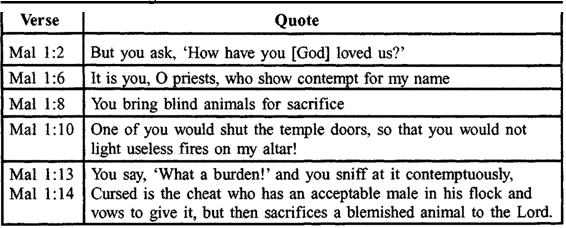
It is helpful to look at the above opposites of righteous behavior to get a clear idea of how not to act. How unfortunate is it that we have God’s chosen people, His children through covenant, as the example of how not to honor our parents? They openly questioned God; they disrespected His name; they were dishonest and prideful; they were lazy in the ways of God. Clearly they followed God, at best, only with legalistic traditions and not with their heart. Their God was not a living God. He was not a Father, but a custom and a burden.
Yet God says that His name will be great among the nations:
My name will be great among the nations, from the rising to the setting of the sun. In every place incense and pure offerings will be brought to my name (Mal. 1:11).
We see the children of Israel as a vivid example of false and evil worship. God’s proposed solution is to turn to the Gentiles. In Malachi 1:11 is a prophecy of Christ and of our enlightenment as ‘the nations.’ The purpose of our enlightenment is that we will honor God in the place of the Israelites, the natural branches, who failed to do so. In their stead, we are made adoptive sons of God and are grafted in to salvation through the promises. We should seriously consider whether we are fulfilling God’s desire that we bring Him honor. As Paul reminds us, God did not spare the natural branches, and He will not spare us either if we despise His goodness (Rom 11:21).
God as our Father
Do we see God as a father? Do we see Him as a provider, caregiver, listener, and disciplinarian? There is a change that comes over us when we start to see God as a father and as more than just an ethereal being. We start to see Him as loving us personally and desperately wanting what is best for us as His children. We do this without taking anything away from Him as the supreme Maker of the universe.
God wants us to think of Him as a father. Look at the following scriptures:
Those who are led by the Spirit of God are sons of God. For you did not receive a spirit that makes you a slave again to fear, but you received the Spirit of sonship. And by him we cry, “Abba, Father” (Rom. 8:14,15).
Jesus said, “Do not hold on to me, for I have not yet returned to the Father. Go instead to my brothers and tell them, ‘I am returning to my Father and your Father, to my God and your God‘” (John 20:17).
He said to them, “When you pray, say: Father, hallowed be your name….” (Luke 11:2).
How great is the love the Father has lavished on us, that we should be called children of God! And that is what we are! (I John 3:1).
Our joy as children
There are many points that can be made on these verses, but in total they tell us that God wants us to look at Him as a father. When we pray we address Him as ‘Father.’ Jesus commands his disciples to tell his brothers that he goes to his Father and their Father. John gushes over with joy when he writes that the love of God is so great that we should be called the sons of God. Think about what John has written. Why is John so overjoyed? Is it because you and I are the sons of God? Is it because God looks at us as children?
There is no need to describe to a parent the love one instantly feels for a child. Search for the feeling inside and then think about why John is so jubilant to write that we are the sons of God. John understands the love — the pure and beautiful love that a father has for his child. It overwhelms John to know that God looks at him as His child. Now think, how must God have felt when He inspired Malachi to write about His children? Although beloved, His children disrespected Him by bringing lame sacrifices and calling His altar contemptible.
We began these studies brethren, sisters, and young people to try to more fully appreciate the command to honor our father and mother and to remind ourselves why the command is so important. We wanted to get a better appreciation of how we can honor our father and mother more fully. At every turn in which we’ve looked to honor our earthly mother and father, we’ve seen our Heavenly Father right there either in shadow or in full view.
Honor and sacrifice
It is not surprising that in Malachi we have corrupt sacrifice as the springboard for God’s declaration of fatherly pain. Ultimately, honor is found in obedience motivated by faith and love. Hence we have Samuel telling King Saul in I Samuel 15:22, to obey is better than sacrifice. This idea is expanded upon in Hosea 6:6:
For I desire steadfast love and not sacrifice, the knowledge of God, rather than burnt offerings (RSV).
The question is: how do we obey? The priests of Malachi’s day obeyed through half-hearted ritual and rule-keeping. Those works showed nothing of the inner spirit, which according to Malachi was full of profanity. To be obedient according to Hosea is to know God (have faith) and show Him steadfast love. This is how we, too, are to honor God emotionally and spiritually, shown through the physical act of obedience.
The real meaning
The commandment to honor our father and mother is not just about having a good home-life. It is not just about getting along with Mom and Dad. It is about passing along the knowledge of God from generation to generation. It is about showing children the unending love and mercy of God. It is about teaching our children to love and respect God as their Maker and Sustainer. This starts in the home. It is an attitude that develops in youth and is molded by discipline and nurture from our parents in the ways of God. God understood the importance of this training from the parents as He inspired Moses to write:
Hear, 0 Israel: The LORD our God, the LORD is one. Love the LORD your God with all your heart and with all your soul and with all your strength. These commandments that I give you today are to be upon your hearts.
Impress them on your children. Talk about them when you sit at home and when you walk along the road, when you lie down and when you get up (Deut. 4:6-8).
As children of all ages, we need to start now to humble ourselves to our parents and to our elders. We need to develop the love and understanding that motivates us to be obedient and Christ-like.
As parents we have a role, and as children we have a role. We also have an ultimate vision and goal of God glorified in our lives and actions. How horrible would it be if God looked down today and echoed those words from Malachi: if I am a father, where is the honor due me? But we can learn. We can learn to love. We learn to honor. We can learn to obey. We can learn to humble ourselves. And we can try to bring up our children in the ways of God. Let us make it our goal to honor our Heavenly Father. Let us start in the home, parent to child and child to parent, to implement this honor within the family of God.
 The Origin of the Organic World – Part One